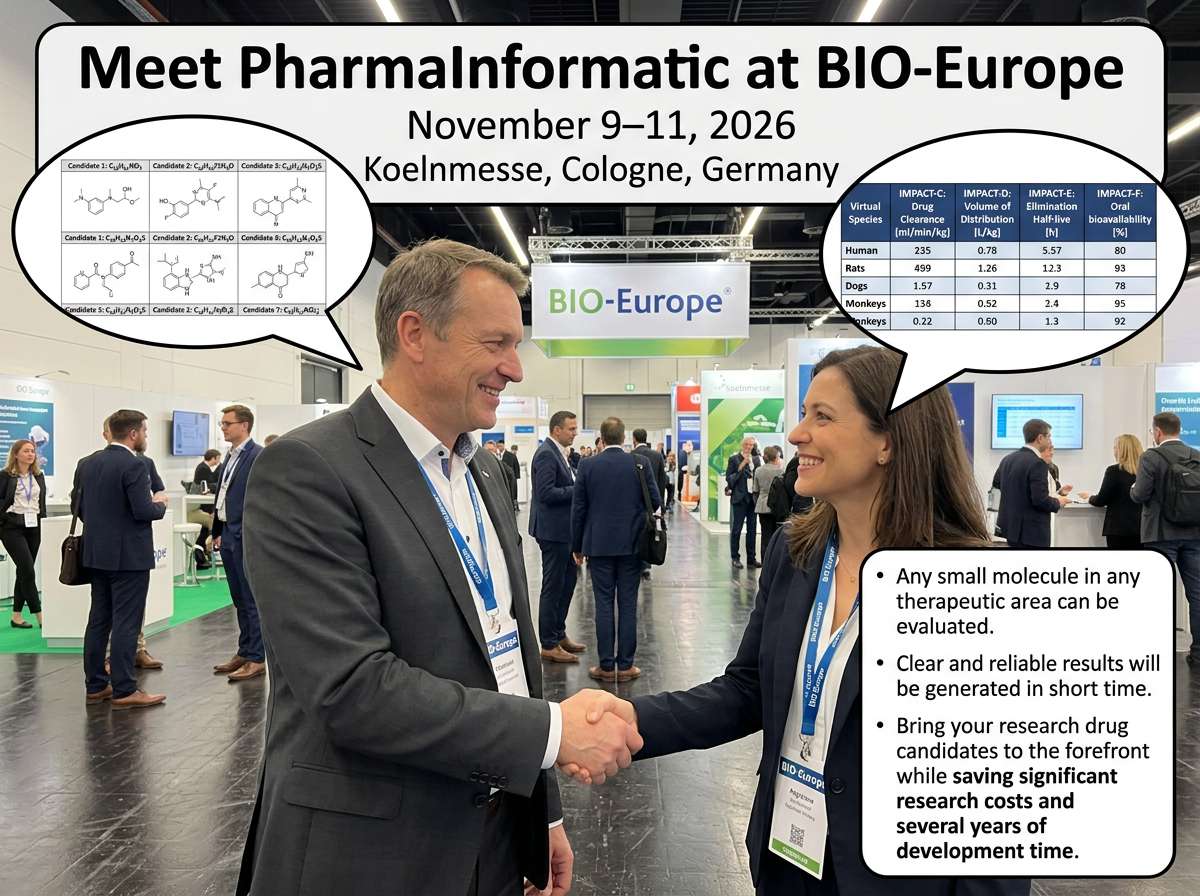
Meet PharmaInformatic at BIO Europe in Cologne
Date: 9–11 November 2026 Location: Köln, Germany Join us at BIO Europe to explore how our cutting-edge
AI-powered pharmacokinetic modelling designed for translational success.
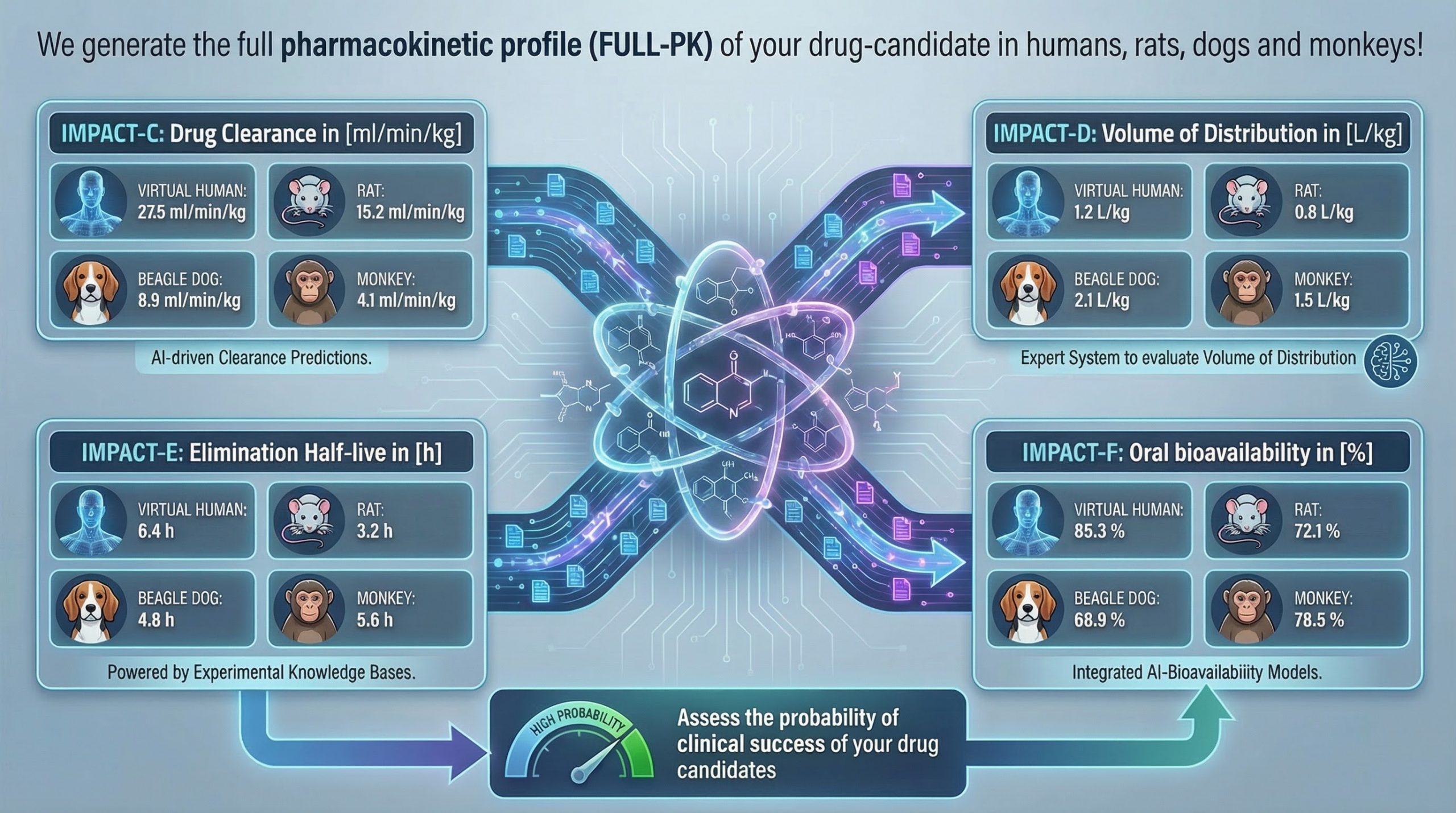
Comprehensive evaluation of absorption, distribution, metabolism and elimination — before clinical trials begin.
Predict the probability of success in human trials using AI-based expert systems.
PharmaInformatic is an AI-based biotech company that has been developing artificial intelligence and cheminformatics tools for more than 20 years. The company was founded 2004 in Germany by Dr. Wolfgang Boomgaarden and has developed the world’s largest pharmacokinetic knowledge databases (ADME/Tox databases).
The pharmacokinetics of a drug describe important properties in drug development, such as whether and to what extent a drug is taken up into the bloodstream, how it is distributed, and when it is excreted from the body. These pharmacokinetic databases contain a century of drug development knowledge up to 2025.
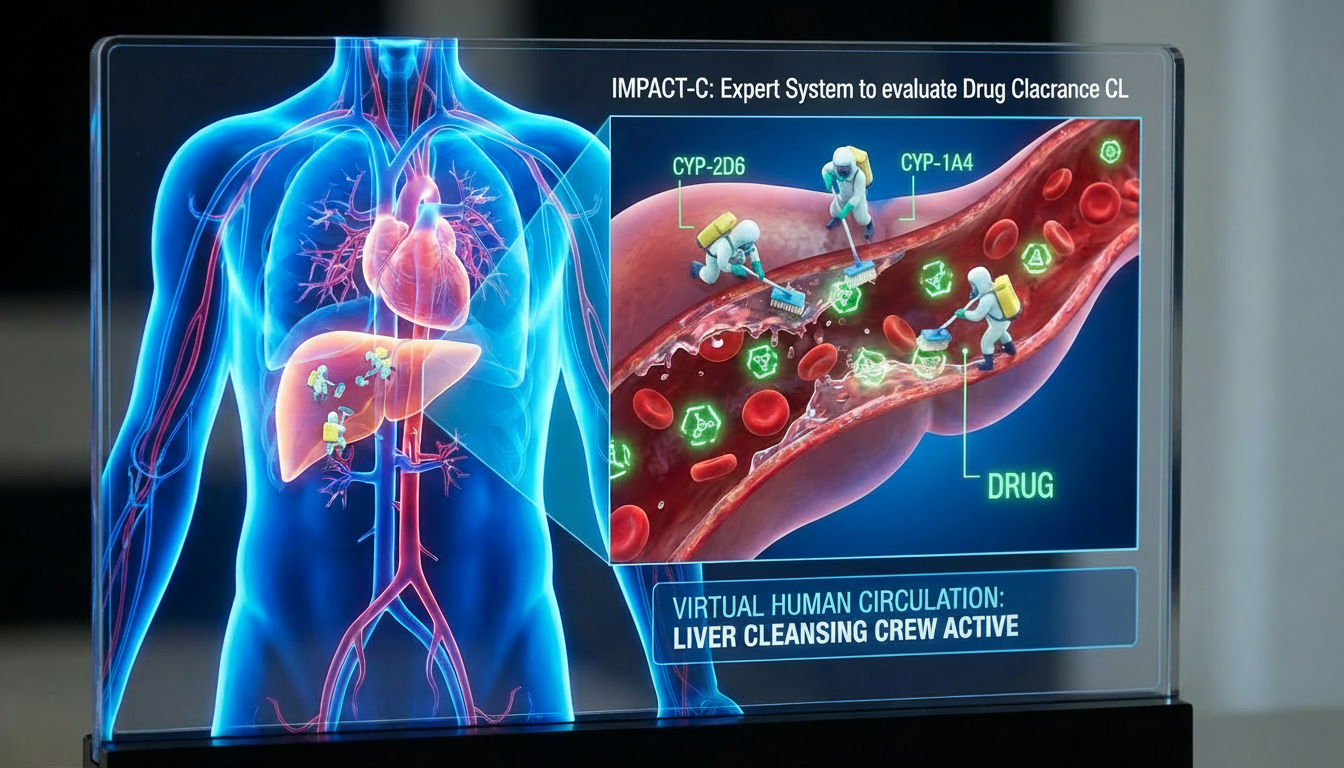
The expert system IMPACT-C assesses the clearance CL of a small-molecule drug candidate in humans and animals, including monkeys, dogs, and rats. This important pharmacokinetic parameter describes the efficiency of a drug’s elimination from the body.
Evaluating drug clearance offers several advantages:
Discover the accuracy of our predictions by validating the expert system with your own preclinical drug results in monkeys, dogs, and rats. It’s easy, confidential, and delivers reliable results quickly. Get in touch via our [contact form].
This AI-based expert system is grounded in the world’s largest knowledge base on drug clearance, known as PACT-C (Preclinical And Clinical Trials Knowledge Base on Clearance).
Clearance can affect the oral bioavailability of a drug (see IMPACT-F) due to the first-pass effect. This depends on the specific drug structure and the extent to which functional groups within the molecule are metabolized, primarily in the liver.
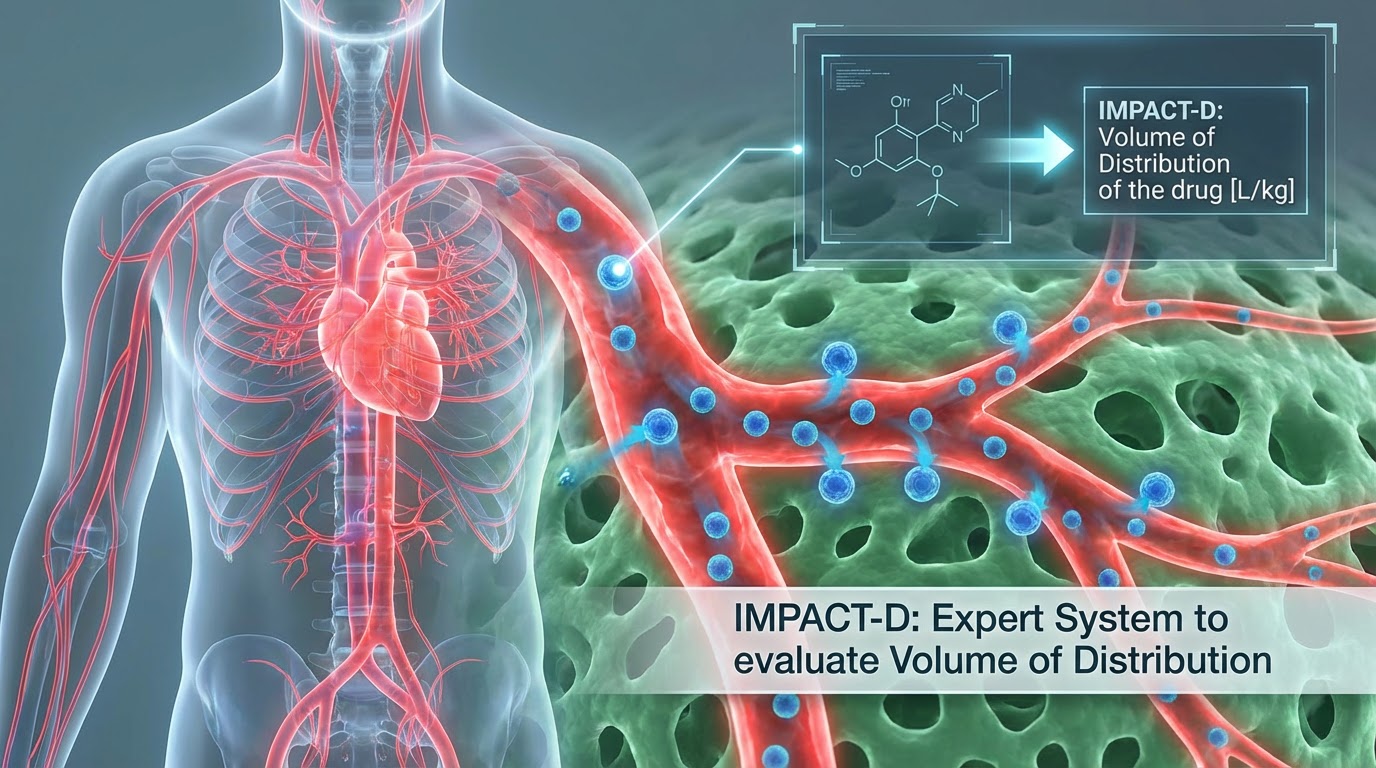
The expert system IMPACT-D predicts the Volume of Distribution (Vd) of small-molecule drug candidates in humans and animals, including monkeys, dogs, and rats. This crucial pharmacokinetic parameter describes how extensively a drug disperses throughout the body’s tissues relative to its concentration in the systemic circulation.
A high volume of distribution indicates extensive drug distribution into body tissues, suggesting the drug is primarily found in tissues rather than in the blood. Conversely, a low volume of distribution implies the drug remains mostly within the bloodstream.
Evaluating the volume of distribution offers several key advantages:
IMPACT-D is grounded in the world’s largest knowledge base on volume of distribution, known as PACT-D (Preclinical And Clinical Trials Knowledge Base on Volume of Distribution).
Reach out via our [contact form] for more details. We’d love to discuss the technology and explore collaboration opportunities with you.
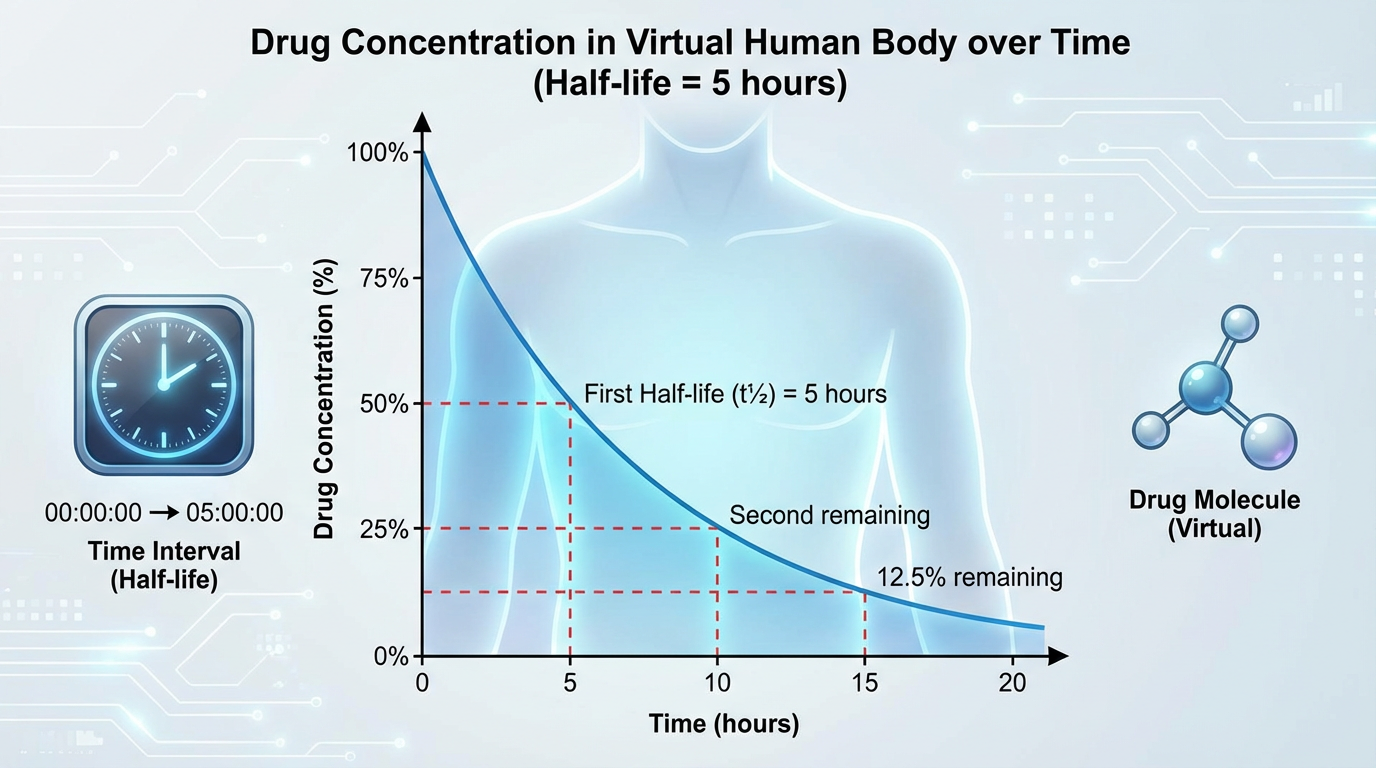
The expert system IMPACT-E predicts the terminal elimination half-life T1/2 of drug candidates in humans and animals, including monkeys, dogs, and rats.
The elimination half-life is the time required for the concentration of a drug in the blood to decrease by half. This is a crucial pharmacokinetic parameter for determining dosing schedules, estimating the duration of drug effects, and managing potential drug interactions.
IMPACT-E was developed from PACT-E, the world’s largest knowledge base on Elimination Half-life. Like all pharmacokinetic knowledge databases from PharmaInformatic, PACT-E is highly annotated, integrating all relevant information and conditions from preclinical and clinical studies available in the literature.
PharmaInformatic’s future expert systems can be tailored to meet specific customer requirements, such as oral versus IV drug administration, co-administration of drugs, gender differences, age, ethnicity, and more. Our structure-based knowledge bases contain comprehensive, annotated pharmacokinetic (PK) data.
Contact us through our [contact form] to learn more and explore potential collaborations.
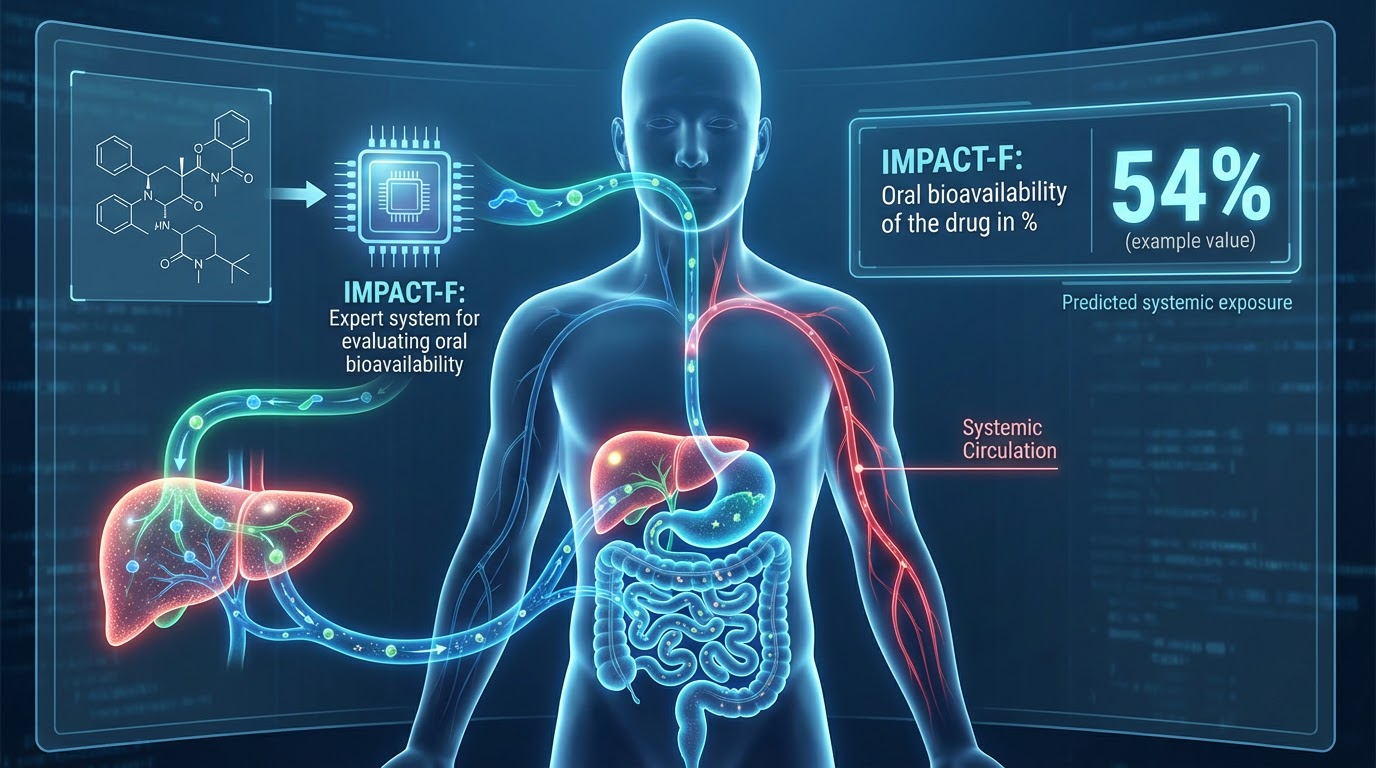
The expert system IMPACT-F assesses the oral bioavailability F% —the uptake of the parent, unchanged drug into the bloodstream—of a drug candidate in both humans and animals, including monkeys, dogs, rats, and mice. It is based on reliable computational models derived from the world’s largest knowledge base on bioavailability, known as PACT-F (Preclinical And Clinical Trials Knowledge Base on Bioavailability F%).
The early prediction of human oral bioavailability offers several advantages:
IMPACT-F has been employed by pharmaceutical companies in diverse therapeutic areas, including diabetes, inflammation, antivirals, autoimmune diseases, and cancer. It assists in selecting and prioritizing drug candidates, optimizing prodrugs, and evaluating oral bioavailability prior to human clinical trials. For more information, please refer to our collaborations or contact us via our [contact form]. We would be happy to present the technology and discuss potential collaborations at your convenience.
Link at collaborations to Collaborations
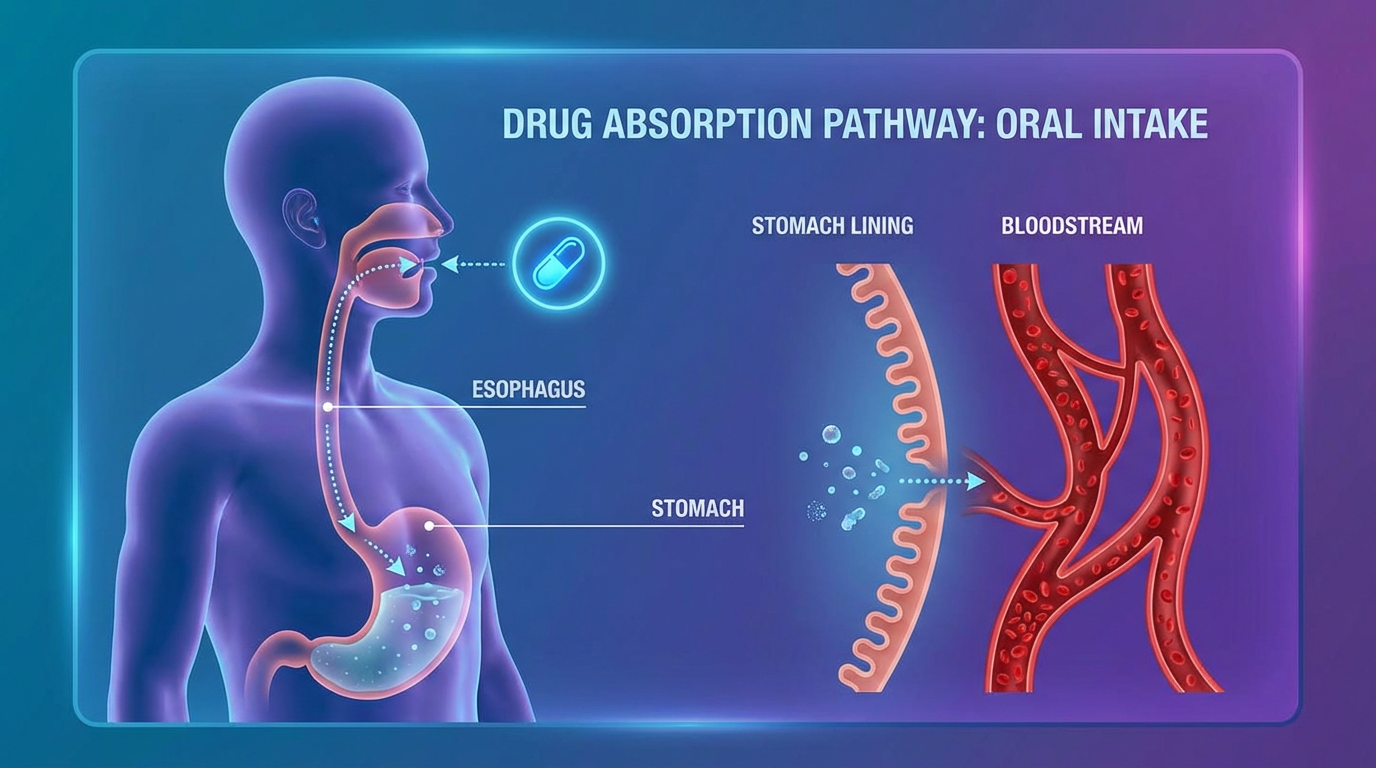
The expert system IMPACT-A (based on the knowledge base PACT-A) evaluates the Absorption of a small-molecule drug candidate into the human body. Oral drug absorption affects oral bioavailability, a key pharmacokinetic property of drugs. If a drug is not absorbed into the systemic circulation, it will have no systemic biological activity and will be excreted without producing any clinical effect.
The expert system IMPACT-F assesses the oral bioavailability—the uptake of the parent, unchanged drug into the bloodstream—of a drug candidate in both humans and animals, including monkeys, dogs, rats, and mice.
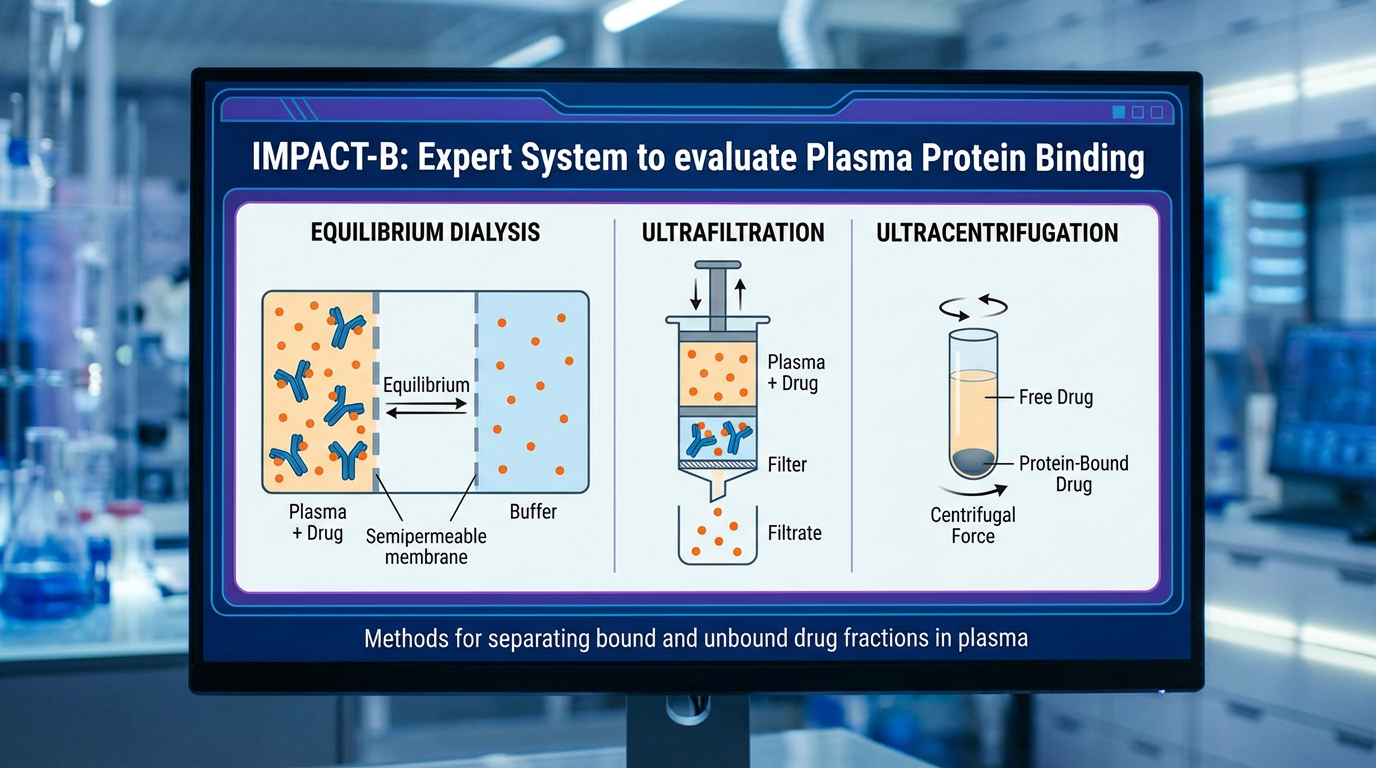
The expert system IMPACT-B evaluates the plasma protein binding PPB% of small molecules, such as chemical compounds or drugs, in humans.
In the bloodstream, drugs and toxic substances can bind to proteins, which decreases the free (active) concentration of these compounds in vivo. Understanding the extent to which a compound is bound to plasma proteins is crucial for toxicity evaluations and drug discovery because:
This AI-based technology was developed by PharmaInformatic as part of the German BMBF-funded EXITOX-II project.
Link to EXITOX-II project (see. Collaborations)
The AI-based expert system is grounded in PACT-B, the world’s largest knowledge base on Plasma Protein Binding.
IMPACT-B achieves outstanding predictive quality. Compared to conventional methods that estimate plasma protein binding based solely on compound structure, the error in predictions is reduced by half.
For further information, please contact us via our [contact form]. We would be happy to present the technology and discuss potential collaborations at your convenience.
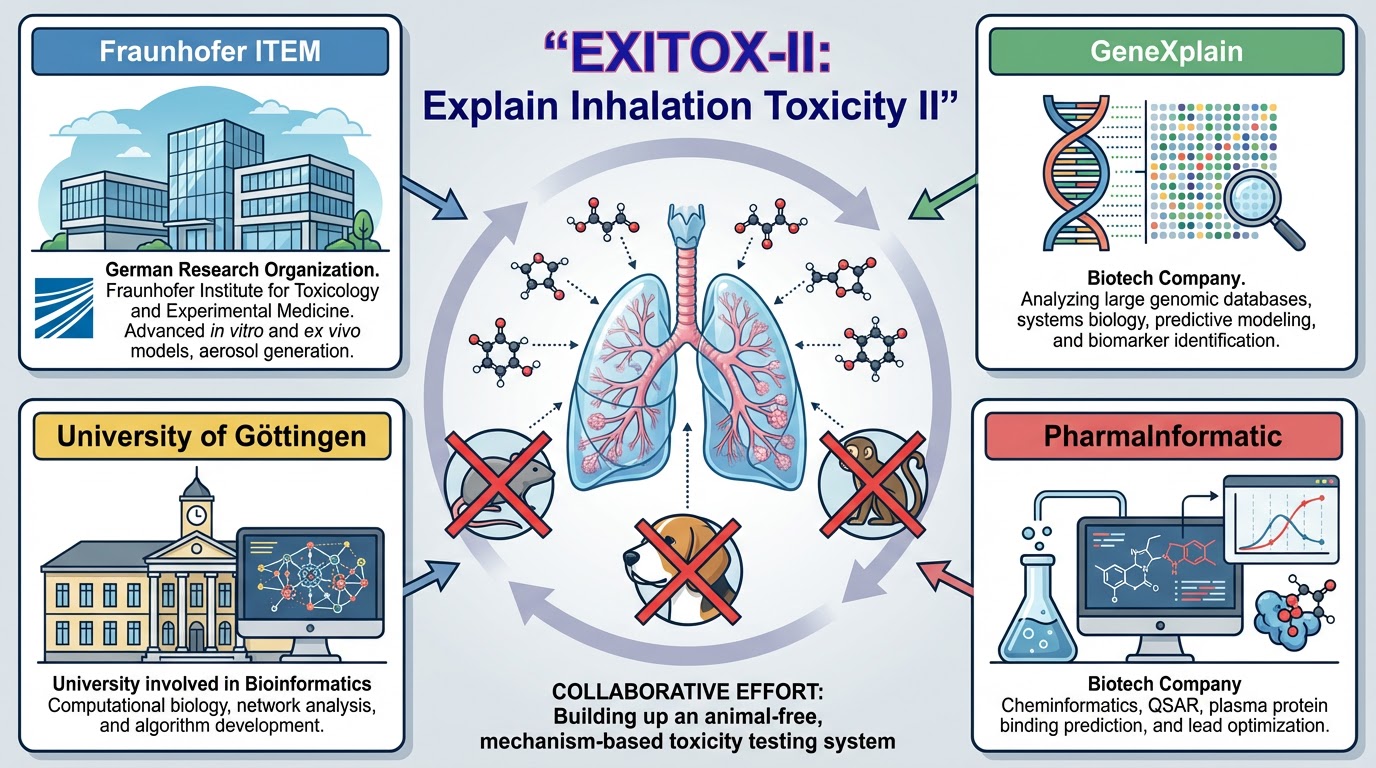
Animal-free mechanism-based toxicity testing – predict toxicity after repeated dose inhalation exposure by using a read across approach.
The collaboration between the University of Göttingen, geneXplain GmbH, PharmaInformatic, and the Fraunhofer Institute for Toxicology and Experimental Medicine (Fraunhofer ITEM) has developed an integrated approach for testing and assessment (IATA) aimed at replacing animal studies involving repeated inhalational exposure.
PharmaInformatic leveraged its platform technology to develop an expert system that evaluates pharmacokinetic and physiochemical properties of substances, such as plasma protein binding. Understanding the extent to which drugs and toxic substances bind to proteins in plasma or blood is crucial, as this binding reduces the free (effective) concentration of compounds in vivo. For toxicity evaluations, it is vital to know the degree of plasma protein binding for a compound.
The collaborative project was funded by the German Federal Ministry of Education and Research (BMBF) in the funding program “e:ToP – Innovative Toxikologie zur Reduzierung von Tierversuchen”.


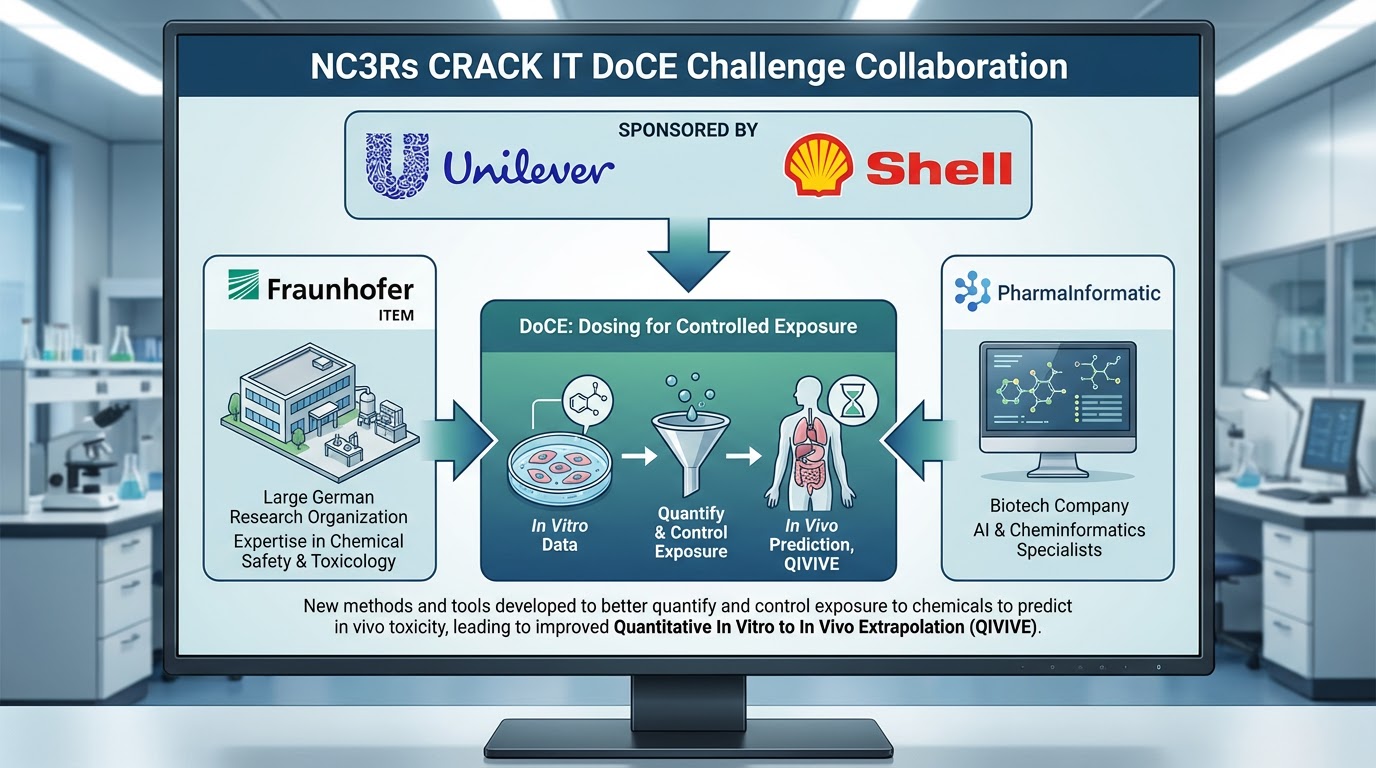
DoCE (Dosing for Controlled Exposure): This project focused on developing dosing strategies to characterize in vitro dose-responses with enhanced relevance for in vivo extrapolation. Sponsored by Unilever and Shell, the initiative successfully analyzed methods and tools to improve the quantification and control of chemical exposure for more accurate in vivo toxicity predictions.
The project achieved a better understanding of the relationship between in vitro concentrations and in vivo exposure, increasing the success of using in vitro approaches early in development.
As part of the CRACK IT Challenge, this project was supported by the NC3Rs (National Centre for the Replacement, Refinement and Reduction of Animals in Research). The NC3Rs is a UK-based organization dedicated to advancing biosciences by promoting alternatives to animal use in research and testing.
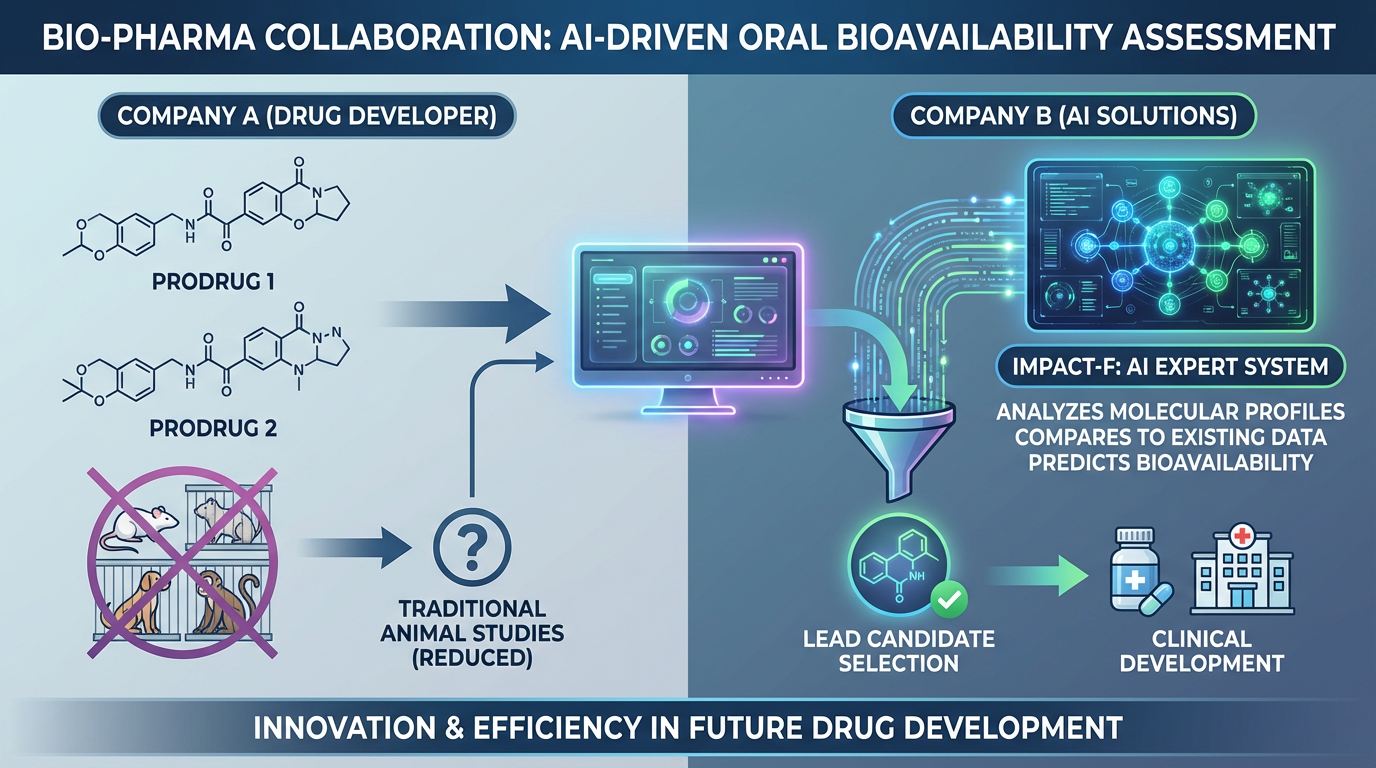
Avivia BV and PharmaInformatic have entered into a research collaboration agreement focused on optimizing cancer treatment options. Under this agreement, PharmaInformatic used its IMPACT-F system to estimate the human oral bioavailability of prodrugs in development.
Avivia BV required an efficient solution to evaluate the oral bioavailability of two different prodrugs for the same active drug, without relying heavily on traditional animal studies in rats, dogs, and monkeys. The IMPACT-F system analyzed the molecular profiles of our prodrugs, comparing them to existing data on chemically similar prodrugs and drugs. This insightful analysis enabled us to make an informed selection of the lead candidate, which has now progressed to clinical development.
Hans Platteeuw, CEO of Avivia BV, shared his positive experience, stating, “We were quite impressed with the IMPACT-F system; it truly helped us to better understand our prodrugs without extensive animal testing.”
This collaboration exemplifies the innovative power and efficiency of leveraging advanced computational models in drug development.
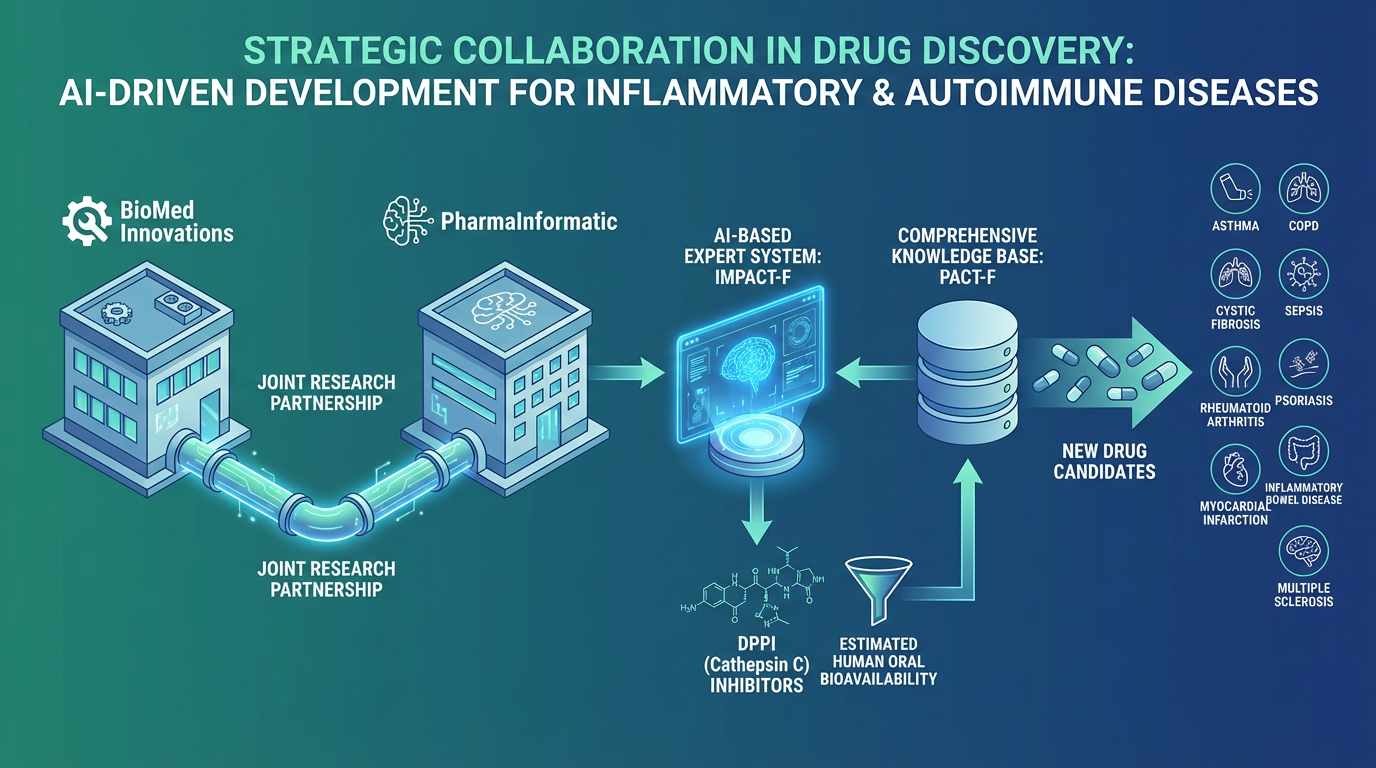
PharmaInformatic and UNIZYME Laboratories A/S have embarked on a research collaboration to advance the development of novel therapeutic agents targeting a range of inflammatory diseases.
Through this partnership, PharmaInformatic employs its expert system, IMPACT-F, to prioritize dipeptidyl peptidase I (DPPI, cathepsin C) inhibitors based on their estimated oral bioavailability in humans. DPPI, a significant therapeutic target, plays a crucial in the development of treatments for various inflammatory and autoimmune diseases.
Cathepsin C inhibitors show promise as potential therapeutics for conditions such as asthma, chronic obstructive pulmonary disease (COPD), cystic fibrosis, sepsis, rheumatoid arthritis, psoriasis, myocardial infarction, inflammatory bowel disease, and multiple sclerosis.
This research collaboration utilizes advanced AI methods, enriched by the comprehensive data and insights from the PACT-F knowledge base, to develop new drugs for addressing urgent medical needs.
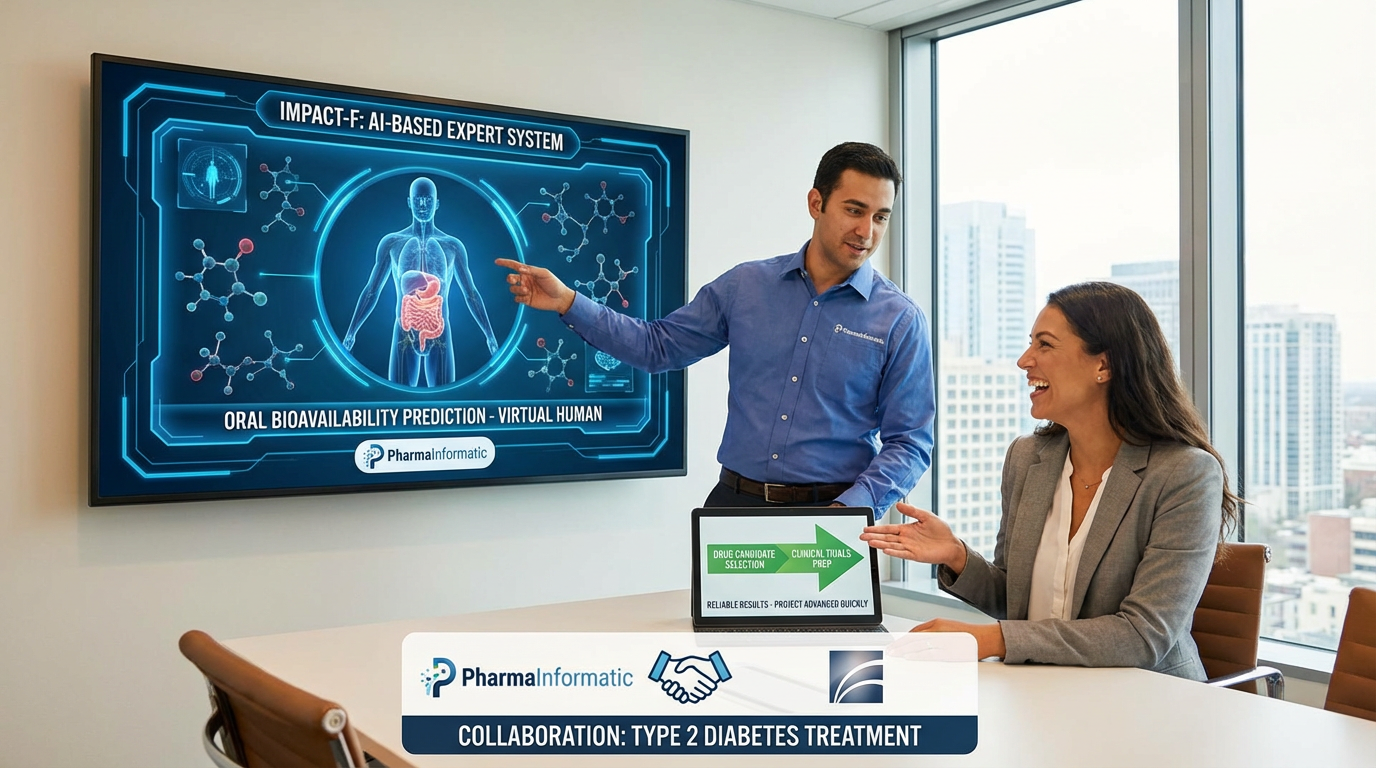
PharmaInformatic has entered into a collaboration agreement with Bridge Bioresearch PLC, aimed at advancing drug development for the treatment of type 2 diabetes. Under this partnership, PharmaInformatic utilizes its expert system, IMPACT-F, to predict the oral bioavailability of promising drug candidates.
Søren Stenderup, CEO of Bridge Bioresearch, elaborates on this collaboration in BioPeople’s newsletter, Denmark:
“We are developing molecules for the treatment of Type 2 diabetes and had all necessary documentation except for human bioavailability data. Upon being approached by the German biotech company PharmaInformatic, which developed the expert system IMPACT-F for predicting oral bioavailability in humans, we saw a great opportunity. We collaborated with PharmaInformatic, and in a short time, our development project advanced to the next stage.”
Type 2 diabetes is a prevalent metabolic disorder affecting a significant portion of the global population. According to recent estimates, hundreds of millions of people worldwide are affected by diabetes, with approximately 90% suffering from type 2 diabetes.
Date: 9–11 November 2026 Location: Köln, Germany Join us at BIO Europe to explore how our cutting-edge
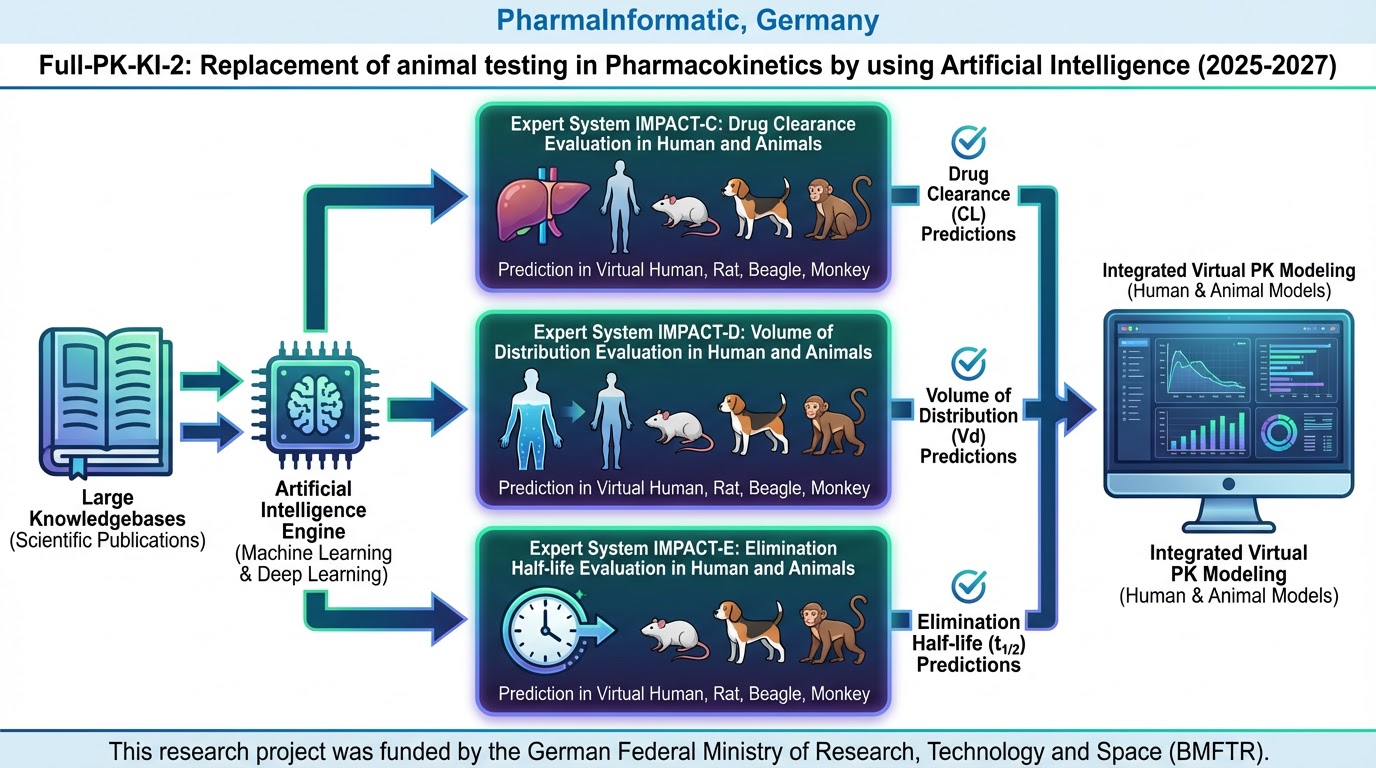
In the predecessor project, Full-PK-KI, expert systems were developed to accurately predict key pharmacokinetic parameters—distribution volume (VD),
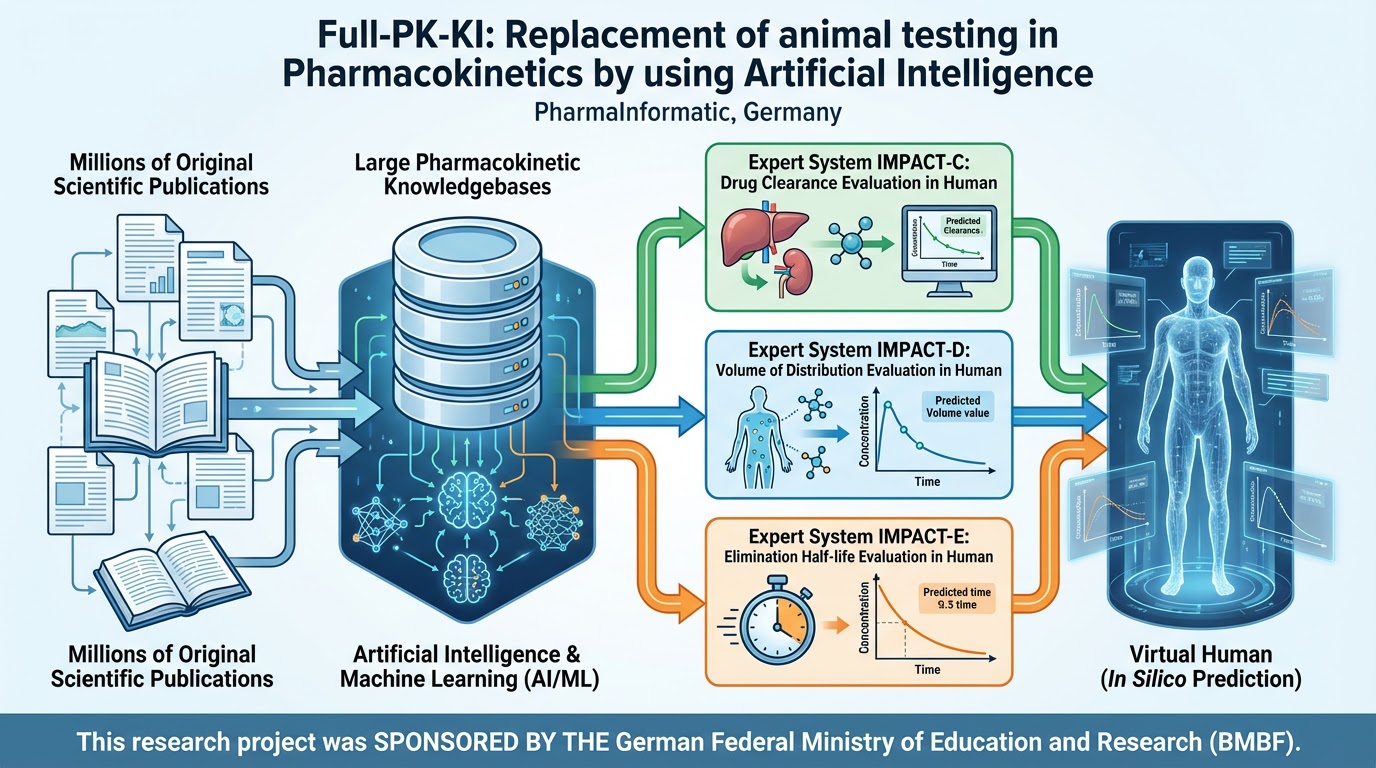
The drug uptake (bioavailability F), distribution (plasma protein binding PPB and volume of distribution VD), and elimination
If you have any questions or comments, please fill out the form below, and one of our friendly representatives will be in touch.
contact_us@pharmainformatic.com
+49 (0)4921-9933-60
Nesserlander Str. 92, 26723 Emden Germany